Artificial Intelligence in the Built Environment0
Our built environment has a huge impact on all aspects of our lives, not in the least quality of life and climate change. As an effect, huge potential resides in digitizing this industry and making data available for intelligent management and optimization of our environment (acoustic performance checking, sensor-based building management, IoT-enabled construction sites, etc.). Various Artificial Intelligence techniques are investigated and adopted in the department of the Built Environment and used for improving the quality of our built environment.
Research Themes
Energy Transition
A huge shift in energy use is needed for the built environment. Switching from the use of natural gas to renewable heating sources relies heavily on AI algorithms (prediction, learning, monitoring) and devices (ambient intelligence, edge AI).
Related research groups:

Urban Mobility
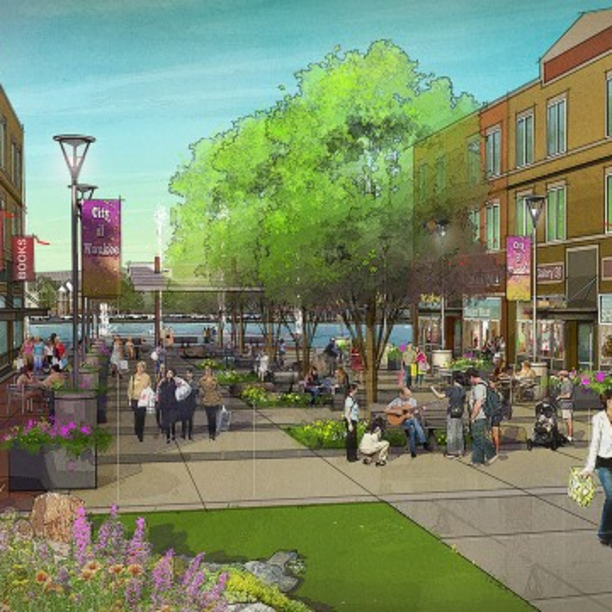
In order to improve urban mobility, an increasing number of personal information systems and decision support systems are built and used, relying on advanced visualization techniques (VR, AR), digital twins of people in the environment, and machine learning algorithms for prediction and providing personalized advice.
Related research groups:
Reference projects
Healthy Working and Living Environments
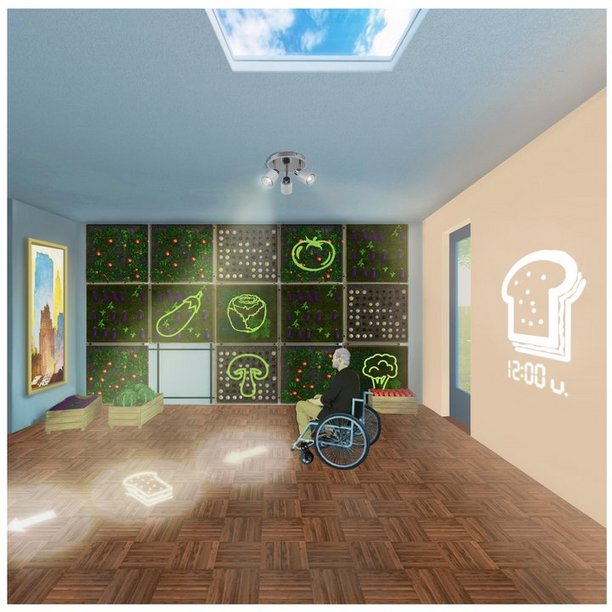
With increasing pressure in our daily work and life, it is difficult to maintain a healthy balance and healthy environment to live in (air quality, acoustics, ambiance, and so forth). Sensing our environment and adjusting it to our individual and common needs requires AI techniques (ambient intelligence, digital twins, prediction).
Related research groups:
Smart Cities and Buildings
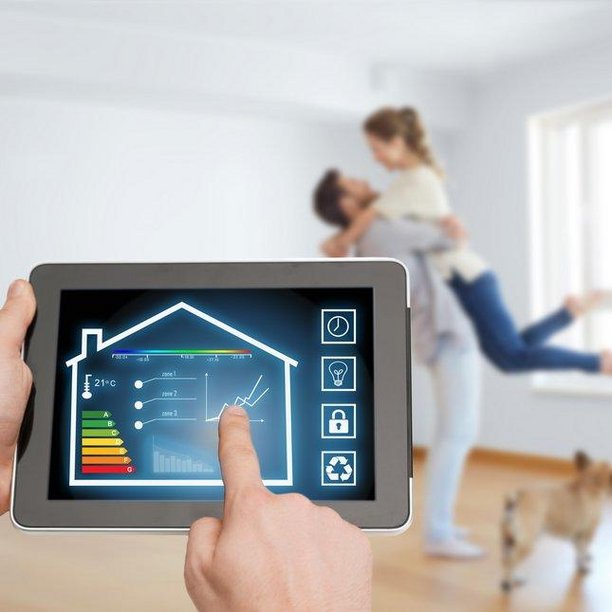
The built environment, both on a building and urban scale, is heavily embedded with devices, sensors, and actuators. As a result, the environment is made artificially intelligent, and it actively responds to its users (interactive ambient intelligence).
Related research groups:
Staff
Industry 4.0 in Construction
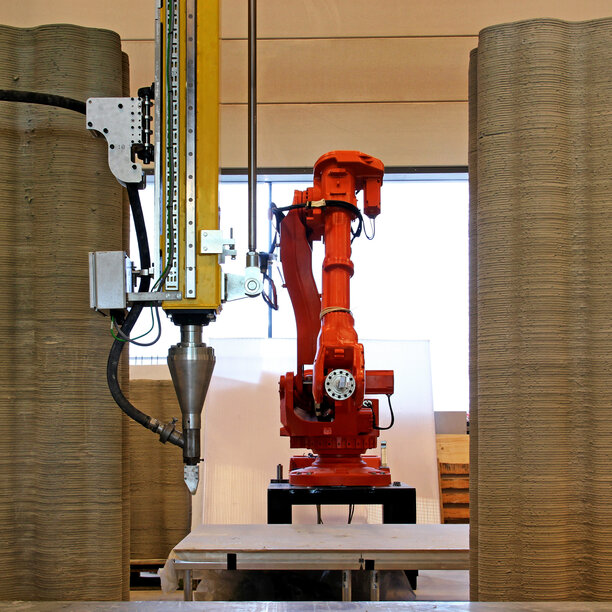
Construction sites and manufacturing for construction is heavily digitized and automated (digital twins, robotics). Autonomous robots are increasingly incorporated in factories and construction tasks, improving the productivity of the construction industry.
Related research groups:
- Robotics, Automation, and Manufacturing
- Information Systems in the Built Environment
- Building Services
- Applied Mechanics
Autonomous Vehicles
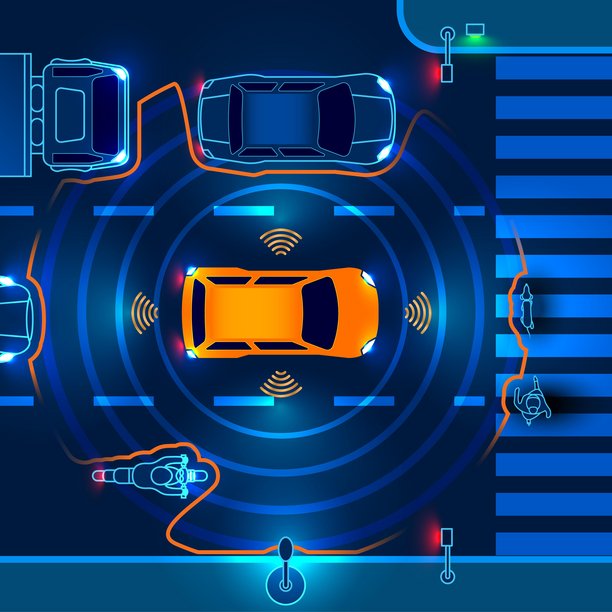
Urban mobility is shifting heavily, from a more traditional car- and pedestrian centered mobility, into a dense network of various kinds of transportation means. Autonomous vehicles are expected to invade the city fabric and interact with a network of devices (IoT) for a range of daily tasks.
Related research groups: