Supramolecular Architectures
Modulation of supramolecular architectures
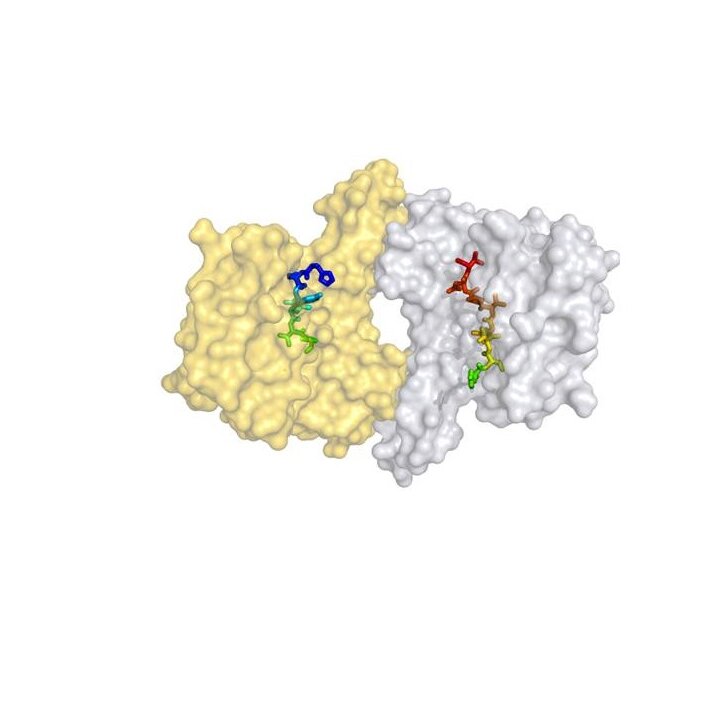
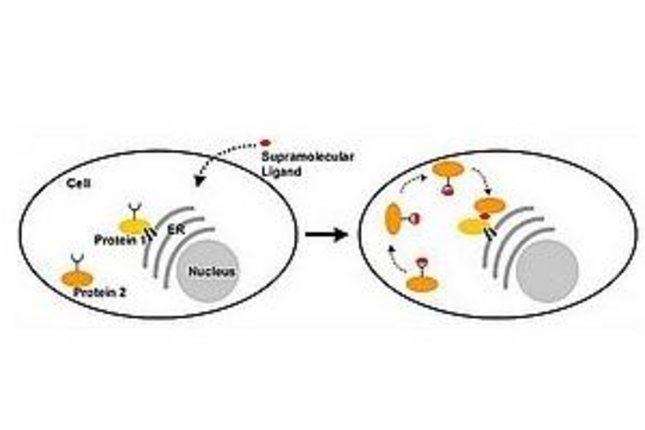
Supramolecular chemistry utilizes reversible noncovalent interactions to assemble molecules into multimolecular complexes. Supramolecular architectures are conformational unique and can be modulated with external elements such as light, temperature, pH or ligands. We are investigating supramolecular architectures as modulators of protein-protein interactions. By modification of proteins with supramolecular elements, the localization and interaction partners of the protein can be controlled with supramolecular stimuli.
Designing supramolecular systems
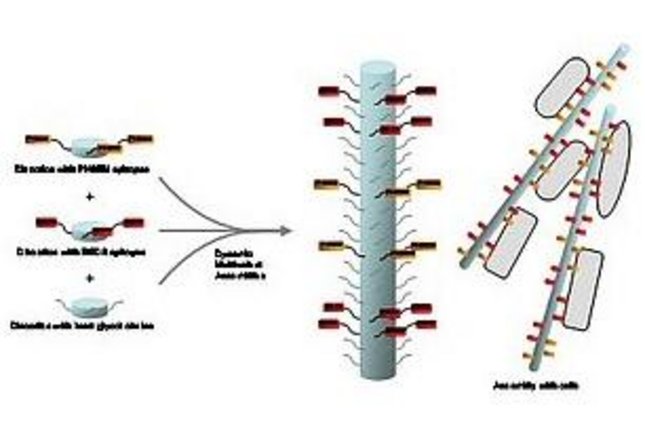
We also design supramolecular system that self-organize as multivalent scaffolds for interactions with cells. We develop multivalent systems with the unique ability to accommodate to the receptors in situ using the advantages of supramolecular architectures. We use disc shaped molecules with a N-N鈥�-diacylated 2,2'-bipyridine-3,3'-diamine-scaffold which form helical supramolecular architectures in water. These molecules are functionalized with ligands binding to e.g. viruses or bacteria.