Learning based control in MR-guided hyperthermia for 3D adaptive therapy (Learn 2 act)
In Learn-2-Act, a multi-disciplinary consortium will develop learning-based control methods that exploit MR-temperature maps to heat tissue accurately, fast and non-invasively.
Duration
January 2020 - December 2024Project Manager
Our Partners
Researchers involved in this project
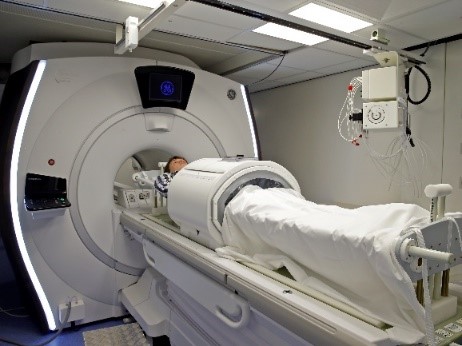
Cancer is the number one cause of death in the Netherlands and in surviving patient the burden of toxicity after conventional treatments is severe. As a result, there is a strong need to improve the effectiveness of current cancer treatments. Hyperthermia (HT) therapies have the potential to be a major contributor to fulfilling this need as several clinical studies have shown that creating HT by heating of tumors to a temperature of 43掳C significantly enhances the therapeutic efficacy of both radiotherapy and chemotherapy without adding extra toxicity to healthy tissue. In Learn-2-Act, we will develop learning-based control methods using MR-temperature maps to heat tissue accurately, fast and non-invasively. This enables more patients getting access to hyperthermia treatments translating in higher cure probabilities, shorter treatment times and lower toxicity levels.
'BNR Nieuws' broadcasted an interview related to this project: giving tumors a fever with an algorithm, an interview with Daniel Deenen, from the department of Mechanical Engineering. Click the button below to listen to it.